
Pello Irazu

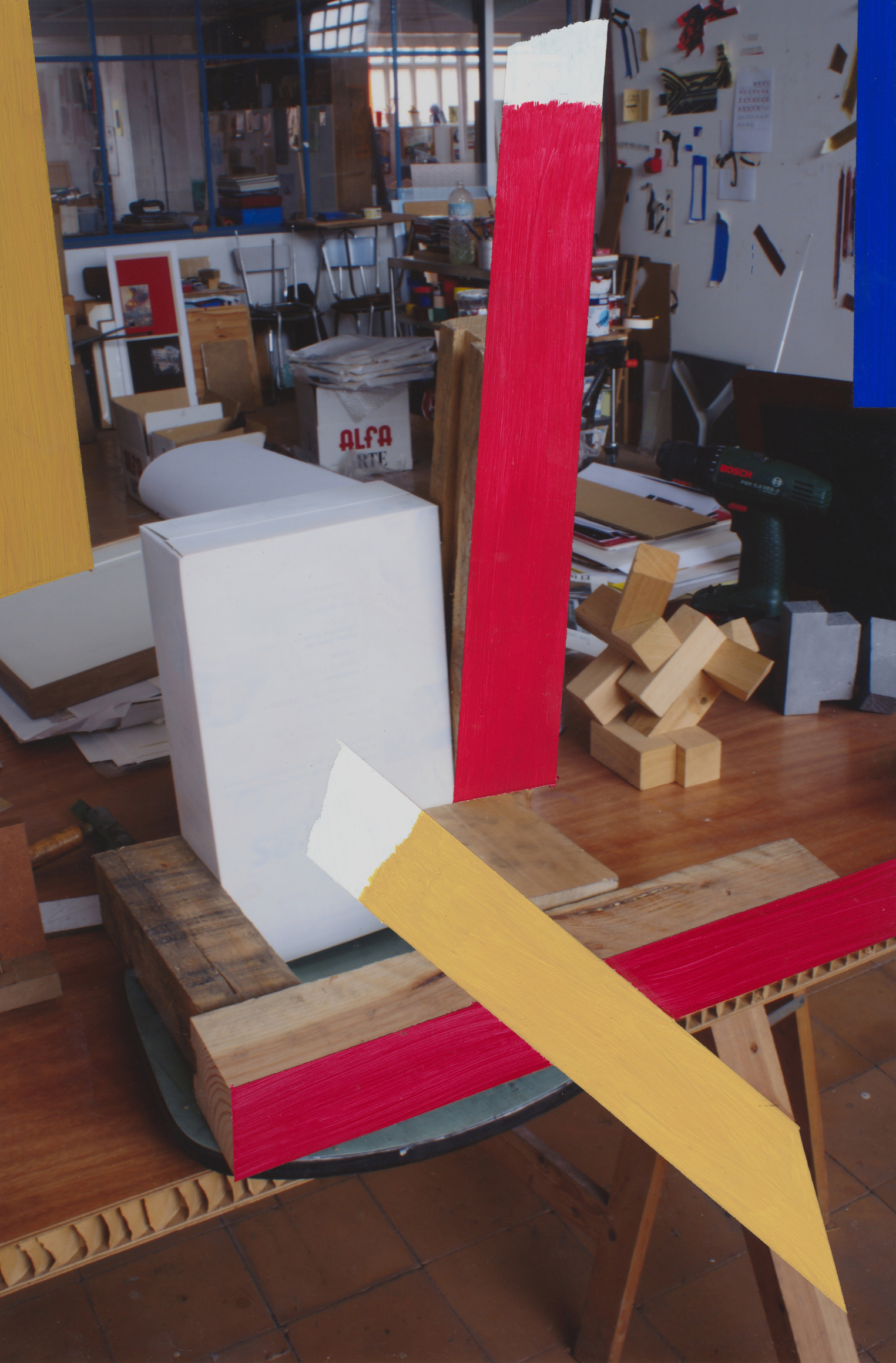
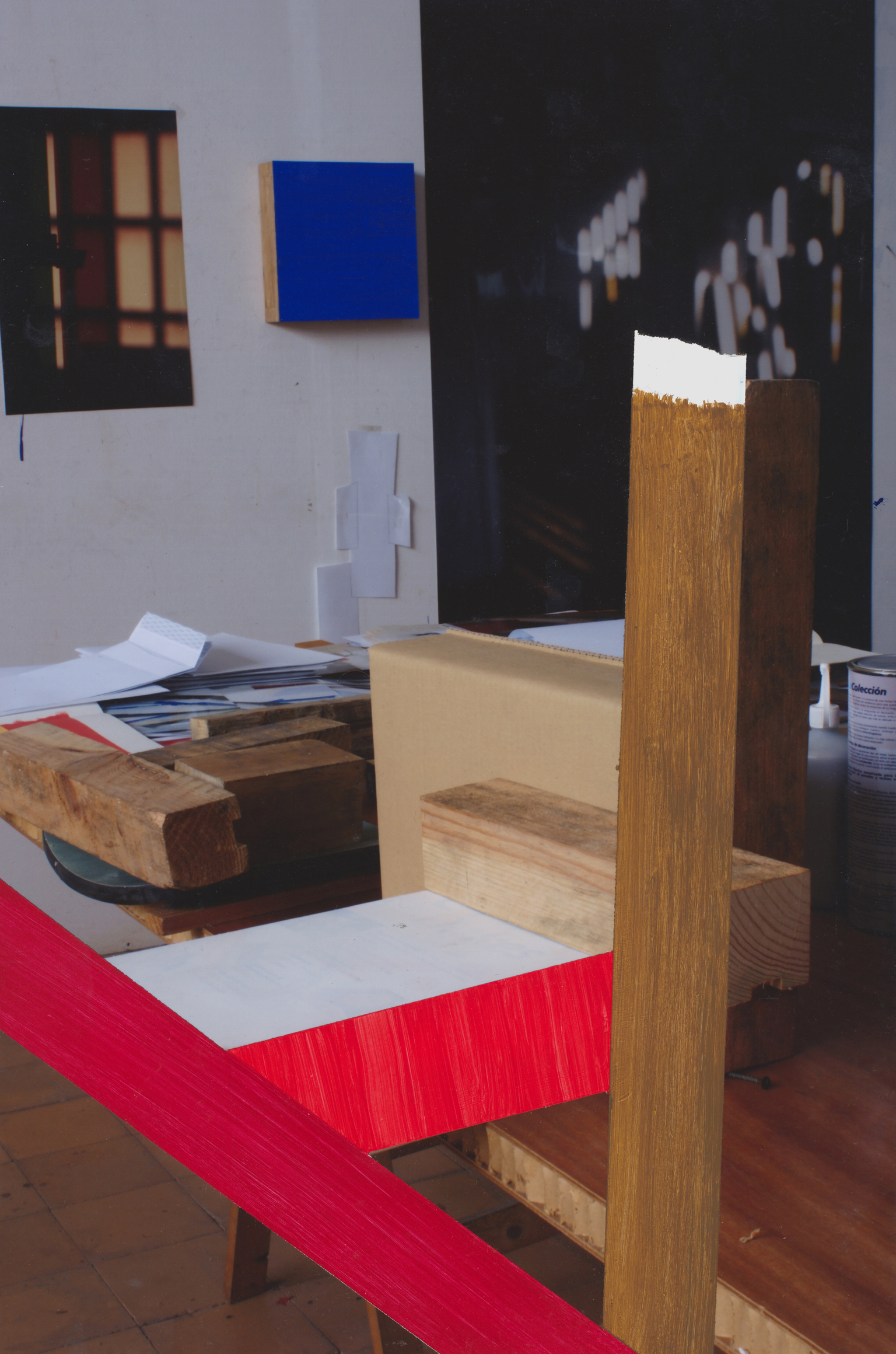
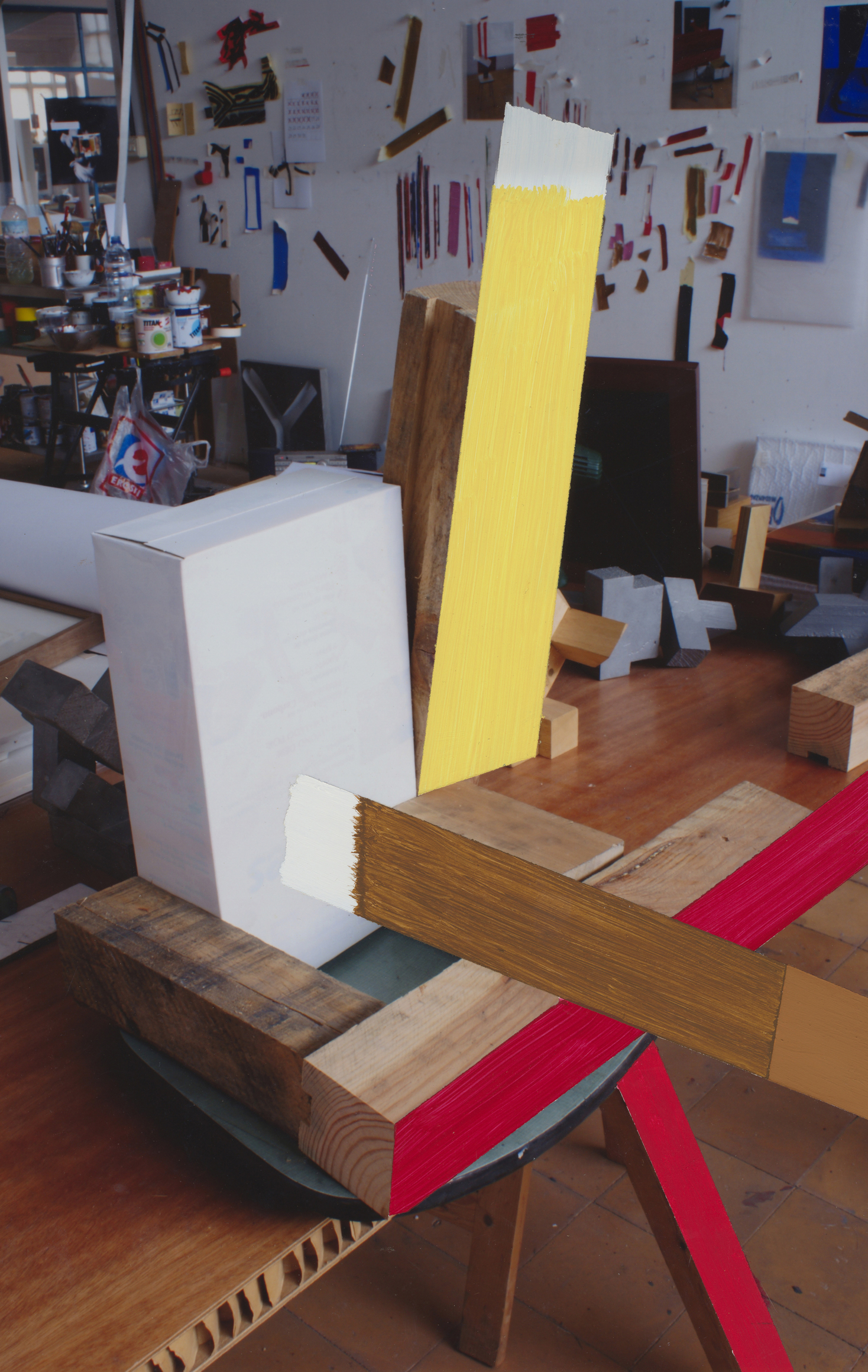
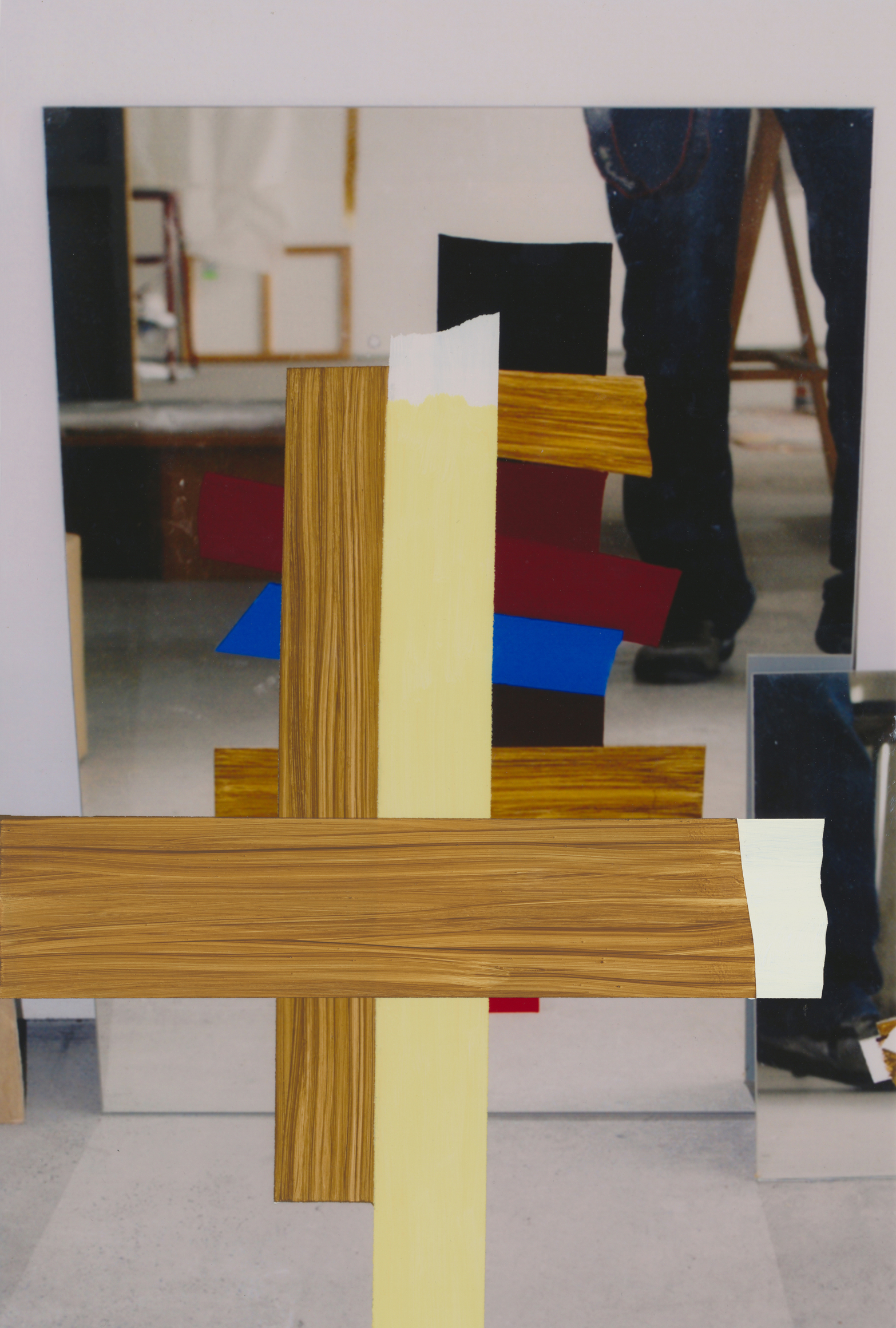
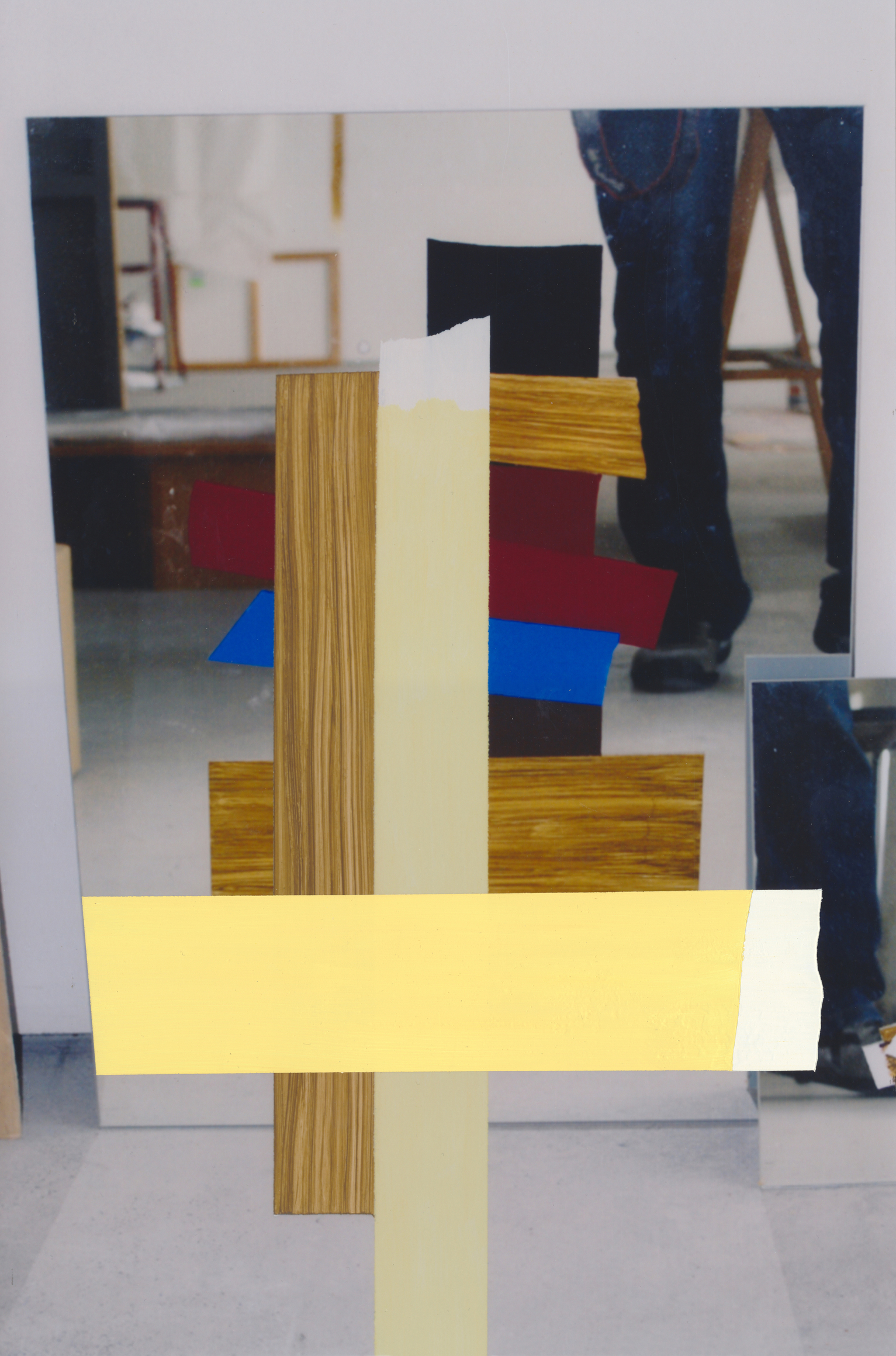
Pello Irazu, Causal Correlation 1, 2025. Acrylic paint on photograph, 12 3/4 x 8 1/2 inches.
Pello Irazu, Causal Correlation 2, 2025. Acrylic paint on photograph, 12 3/4 x 8 1/2 inches.
Pello Irazu, Causal Correlation 3, 2025. Acrylic paint on photograph, 12 3/4 x 8 1/2 inches.
Pello Irazu, Demolition Strategies 1, 2025. Acrylic paint on photograph, 25 1/2 x 17 3/4 inches.
Pello Irazu, Demolition Strategies 2, 2025. Acrylic paint on photograph, 25 1/2 x 17 3/4 inches.
Pello Irazu, Demolition Strategies 3, 2025. Acrylic paint on photograph, 25 1/2 x 17 3/4 inches.
Pello Irazu, Family Resemblances 1, 2025. Acrylic paint on photograph, 15 3/4 x 11 3/4 inches.
Pello Irazu, Family Resemblances 2, 2025. Acrylic paint on photograph, 15 3/4 x 11 3/4 inches.
Pello Irazu, Family Resemblances 3, 2025. Acrylic paint on photograph, 15 3/4 x 11 3/4 inches.
Pello Irazu, Metareal Spaces 1, 2025. Acrylic paint on photograph, 15 3/4 x 10 inches.
Pello Irazu, Metareal Spaces 2, 2025. Acrylic paint on photograph, 15 3/4 x 10 inches.
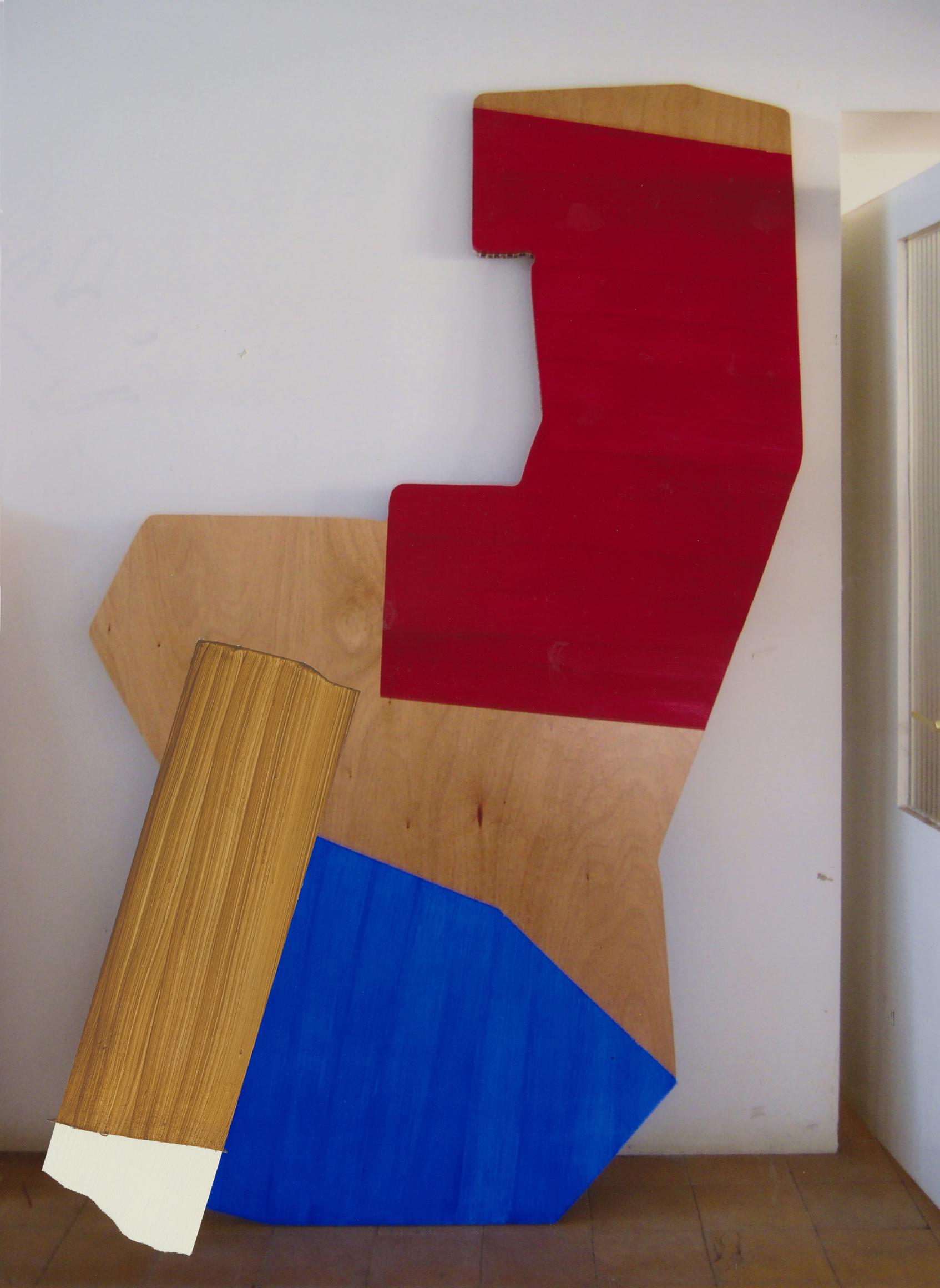
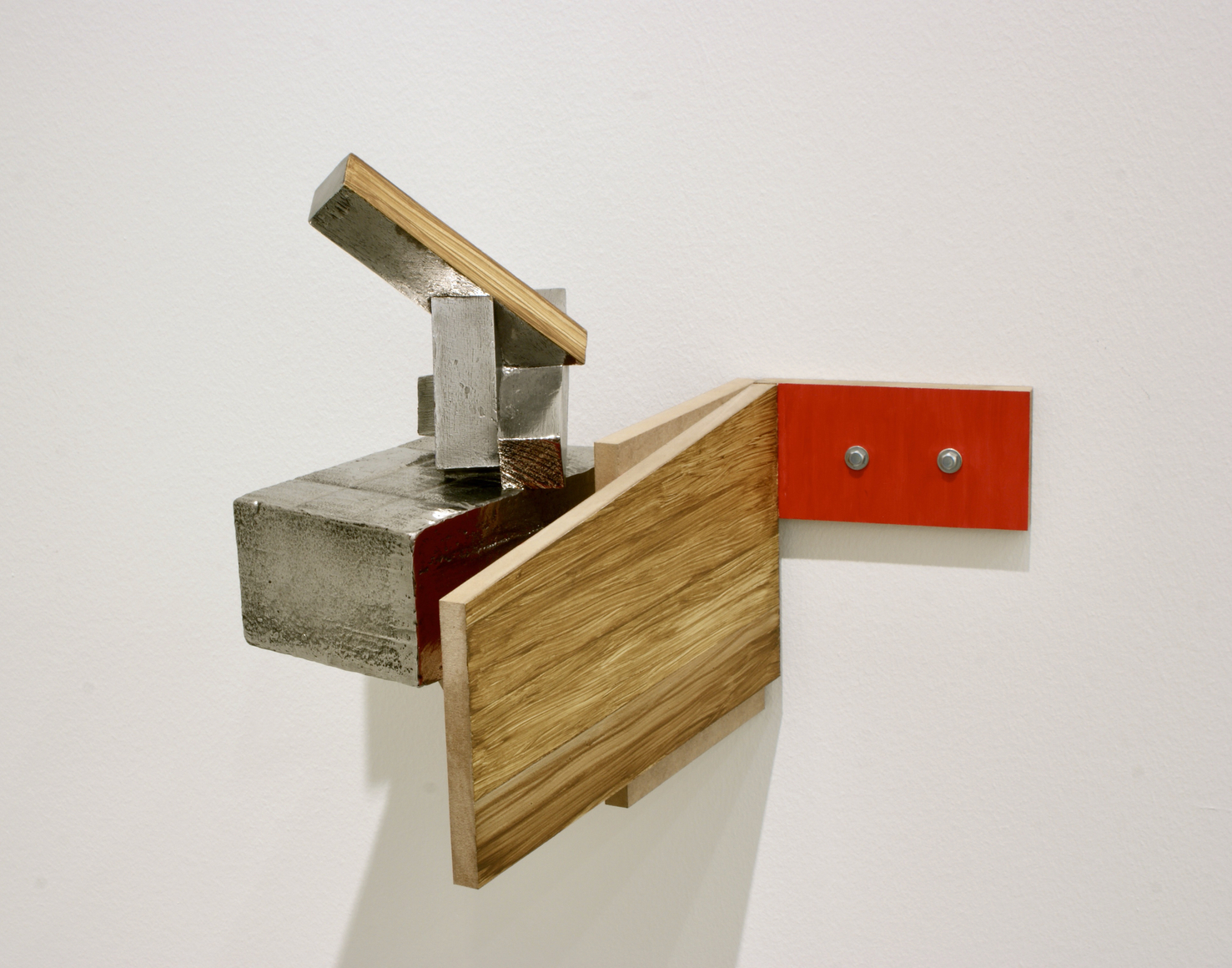
Pello Irazu, La palabra, 2012. Cast stainless steel on masonite structure partly painted, 17 3/4 x 18 x 16 1/8 inches.
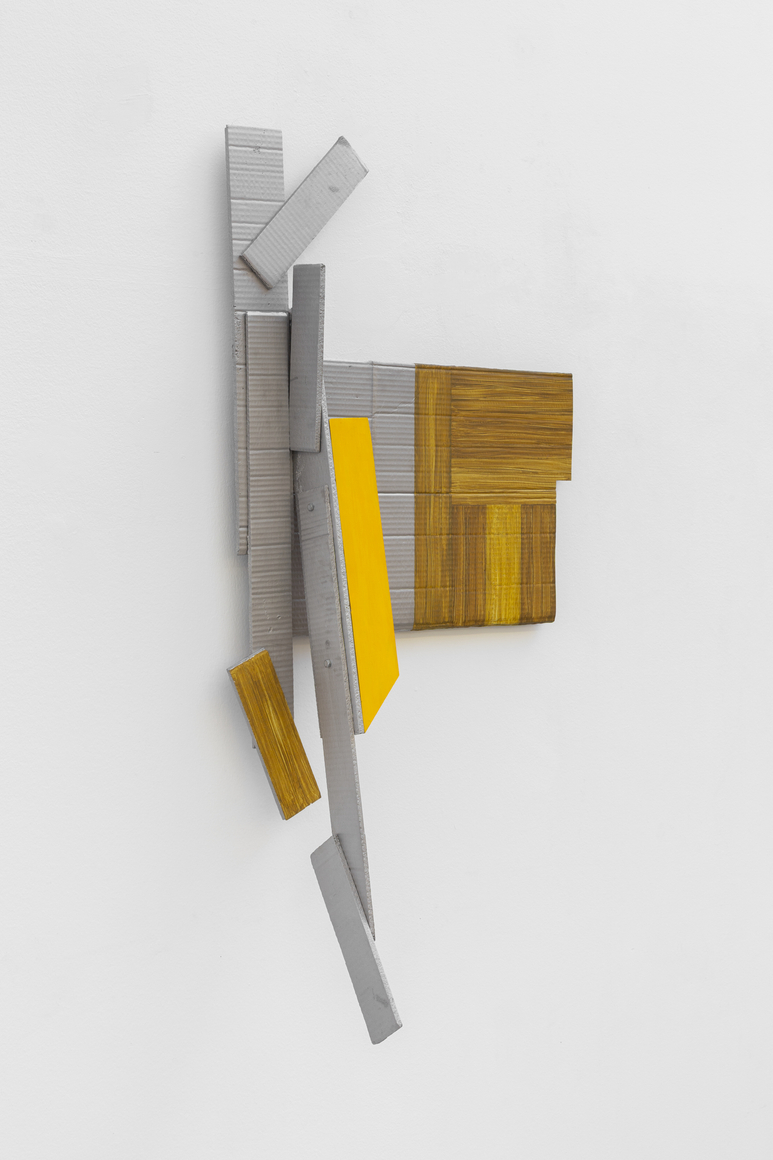
Pello Irazu, Mimetic processes 1, 2025. Wood and cast aluminium structure partly painted, 50 x 25 1/2 x 10 5/8 inches.
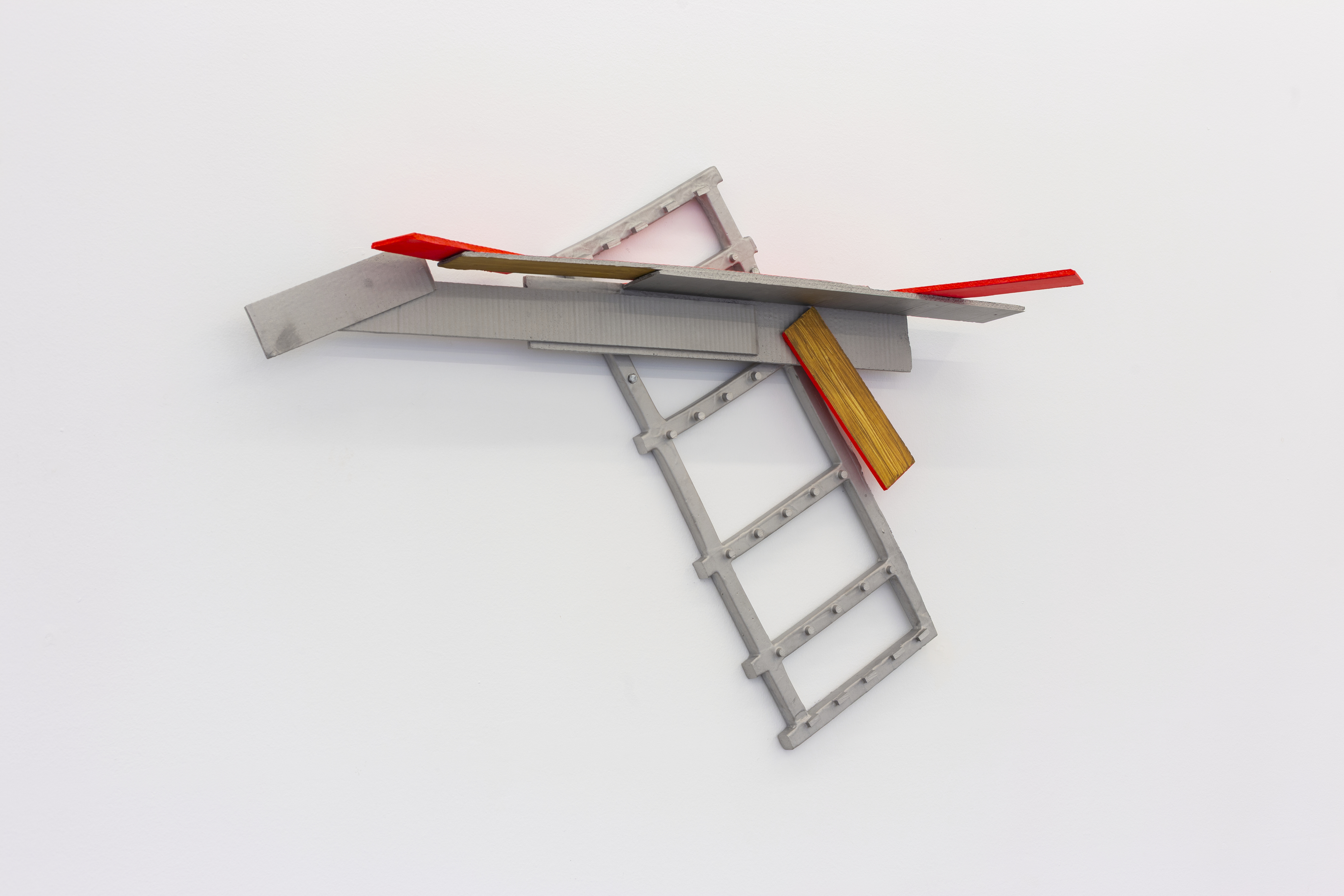
Pello Irazu, Mimetic processes 2 (Lay lady lay), 2025. Cast aluminium structure partly painted, 30 3/4 x 42 1/2 x 11 3/4 inches.
Pello Irazu, Modes of Reality 1, 2025. Acrylic paint on photograph, 15 3/4 x 10 inches.
Pello Irazu, Modes of Reality 2, 2025. Acrylic paint on photograph, 15 3/4 x 10 inches.
Pello Irazu, Ostensive Signals 1, 2025. Acrylic paint on photograph, 25 1/2 x 17 3/4 inches.
Pello Irazu, Ostensive Signals 2, 2025. Acrylic paint on photograph, 25 1/2 x 17 3/4 inches.
Pello Irazu, Ostensive Signals 3, 2025. Acrylic paint on photograph, 25 1/2 x 17 3/4 inches.
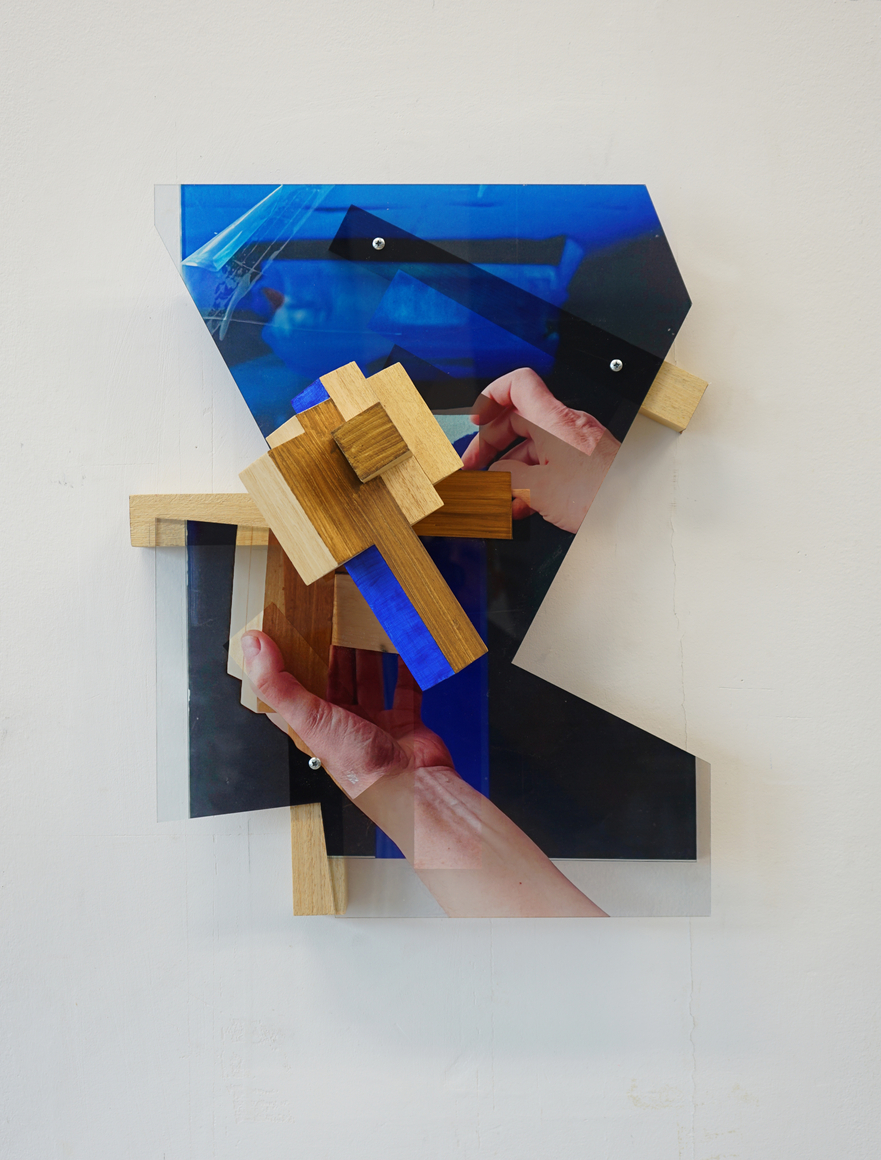
Pello Irazu, Structures of Feeling 1, 2025. Reverse-printed acrylic, wood, adhesive fabric, paper, acrylic paint, 22 7/8 x 16 3/4 x 6 inches.
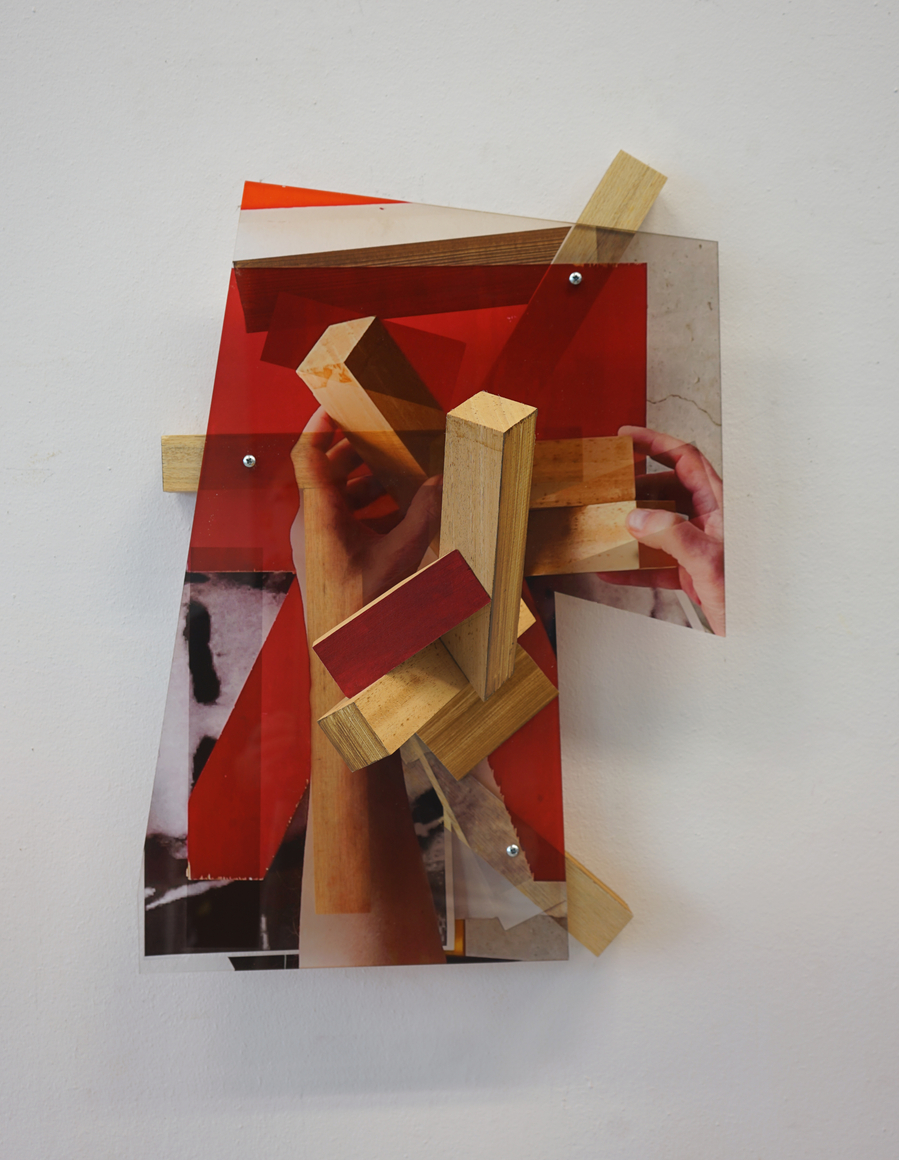
Pello Irazu, Structures of Feeling 2, 2025. Reverse-printed acrylic, wood, paper, acrylic paint, 21 5/8 x 17 1/8 x 7 1/4 inches.
Pello Irazu, Structures of Feeling 3, 2025. Reverse-printed acrylic, wood, adhesive fabric, paper, acrylic paint, 22 1/2 x 17 1/2 x 7 7/8 inches.
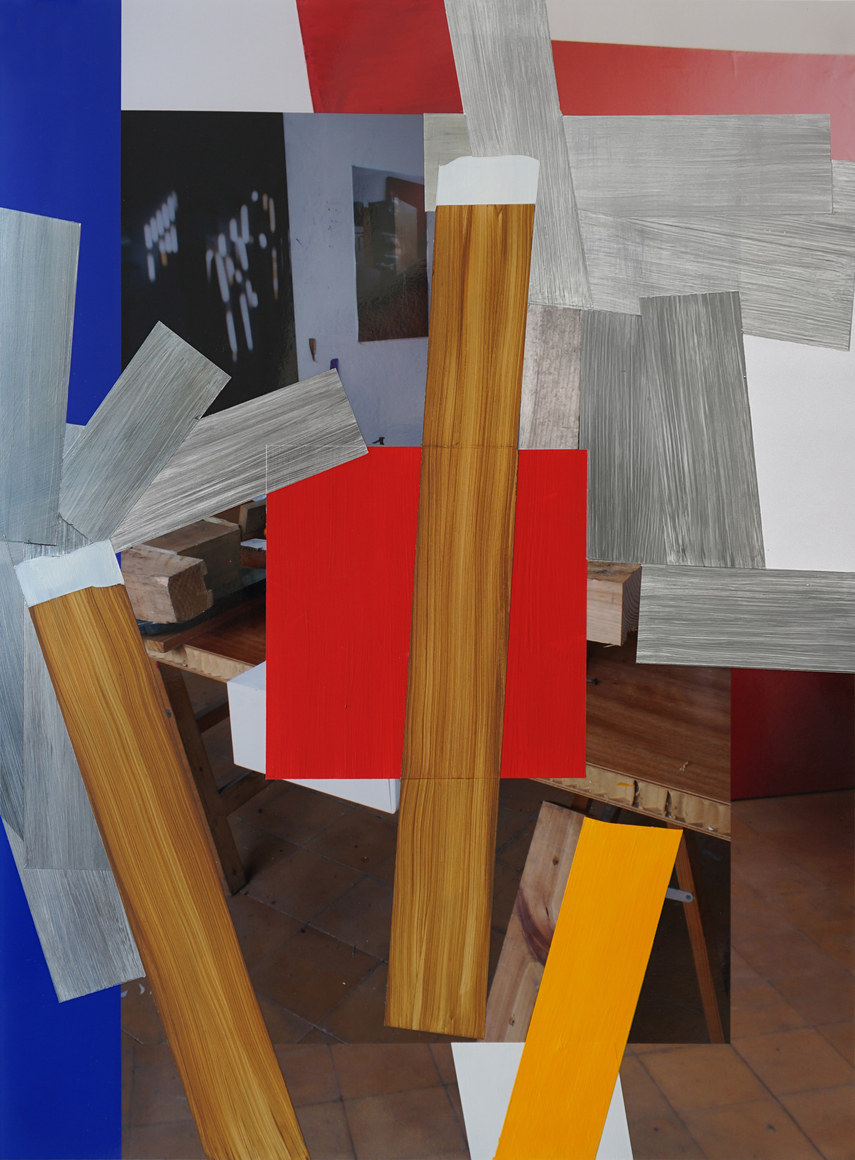
Pello Irazu, Waves of Particularity, 2025. Acrylic paint on photograph, 11 3/4 x 15 3/4 inches.
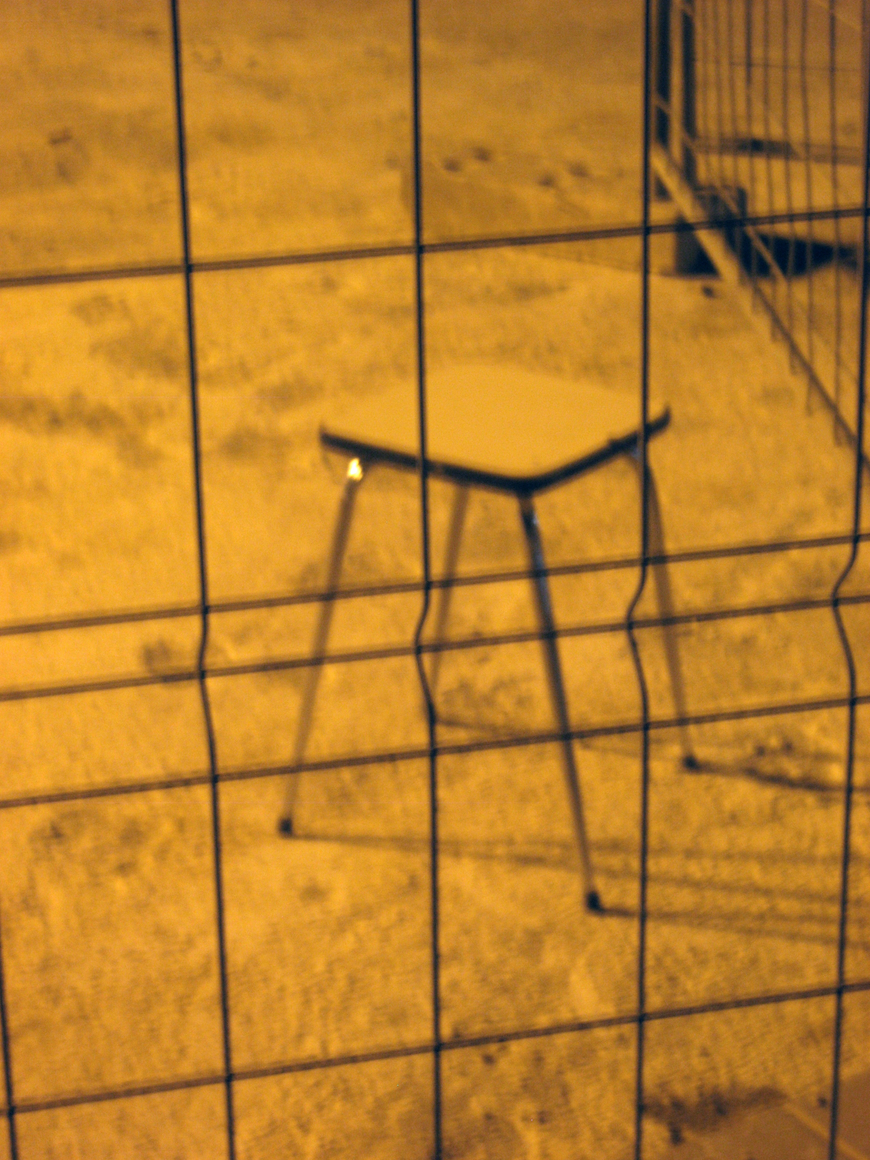
Pello Irazu, AMzola 1, 2012. Print on Hahnemuhle paper, 15 x 11 3/4 inches.
Pello Irazu, AMzola 2, 2012. Print on Hahnemuhle paper, 15 x 11 3/4 inches.
Pello Irazu, AMzola 3, 2012. Print on Hahnemuhle paper, 15 x 11 3/4 inches.
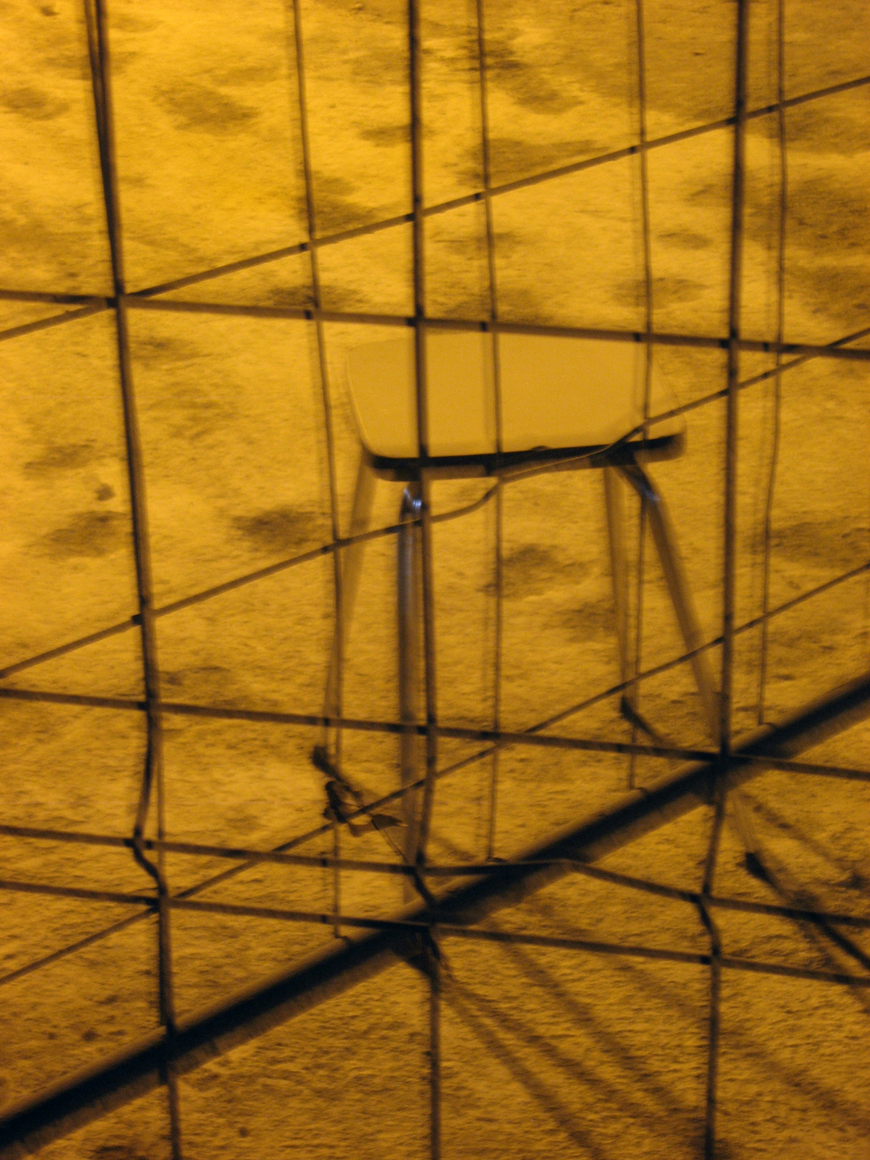
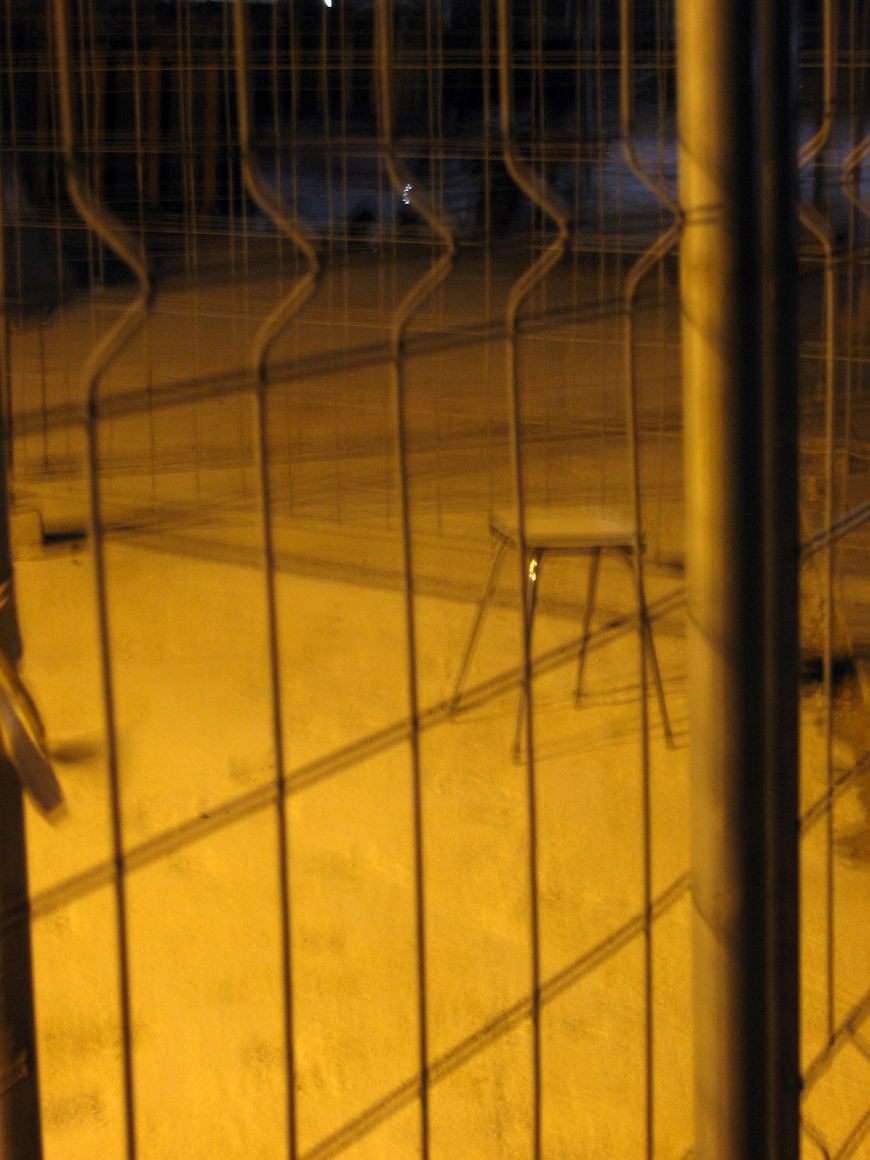
Yancey Richardson is pleased to present Matter, an exhibition of new work by Spanish artist Pello Irazu, the artist’s third solo presentation with the gallery. Bringing together new photographic and sculptural works, the exhibition signals the intensification of Irazu’s investigation into the materiality of the image. The exhibition will be on view from March 5 through April 11, 2026. An opening reception will be held on Thursday, March 5 from 6–8PM.
Known for his sculptural works, Irazu is considered one of the key figures in the renewal of Basque sculpture since beginning his career in the 1980s. In the early 2000s, he began integrating photography into his practice, combining the concepts and formal strategies of conceptualism, minimalism and constructivism to explore the tensions between photographic representation, painting and sculpture.
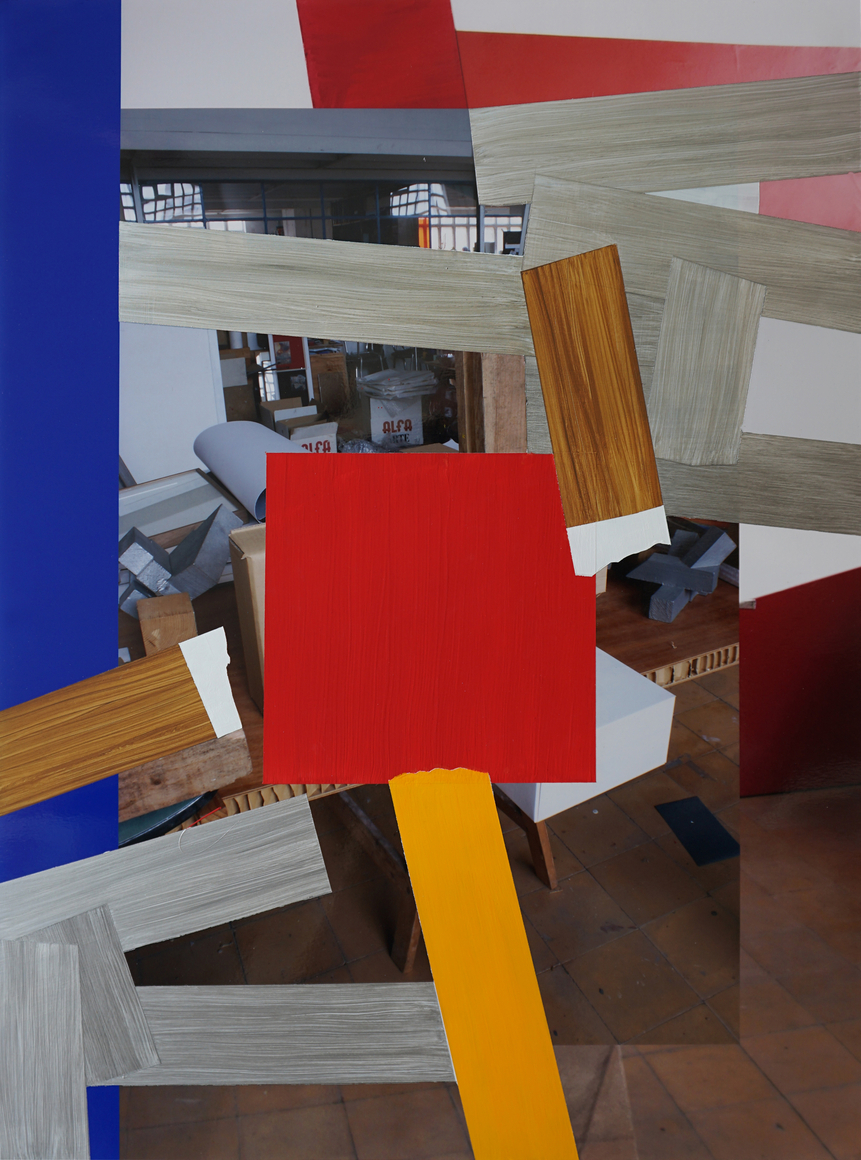
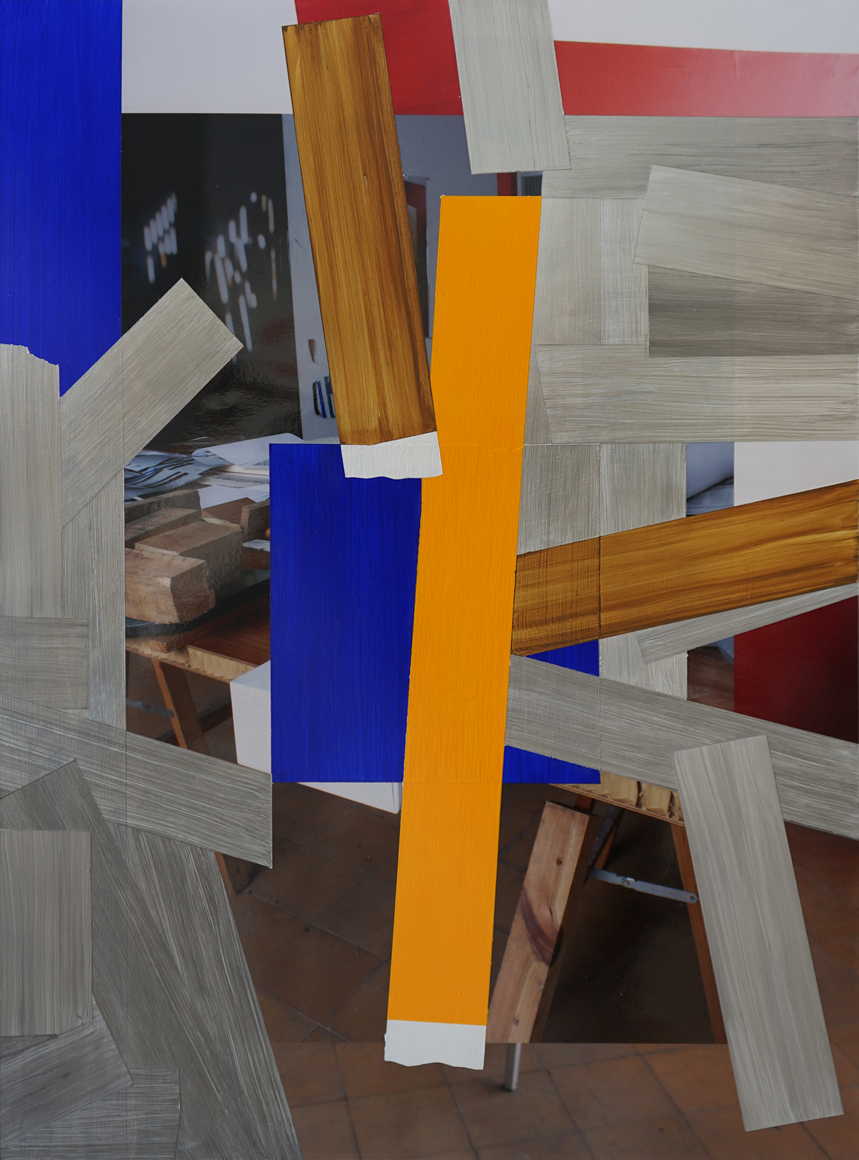
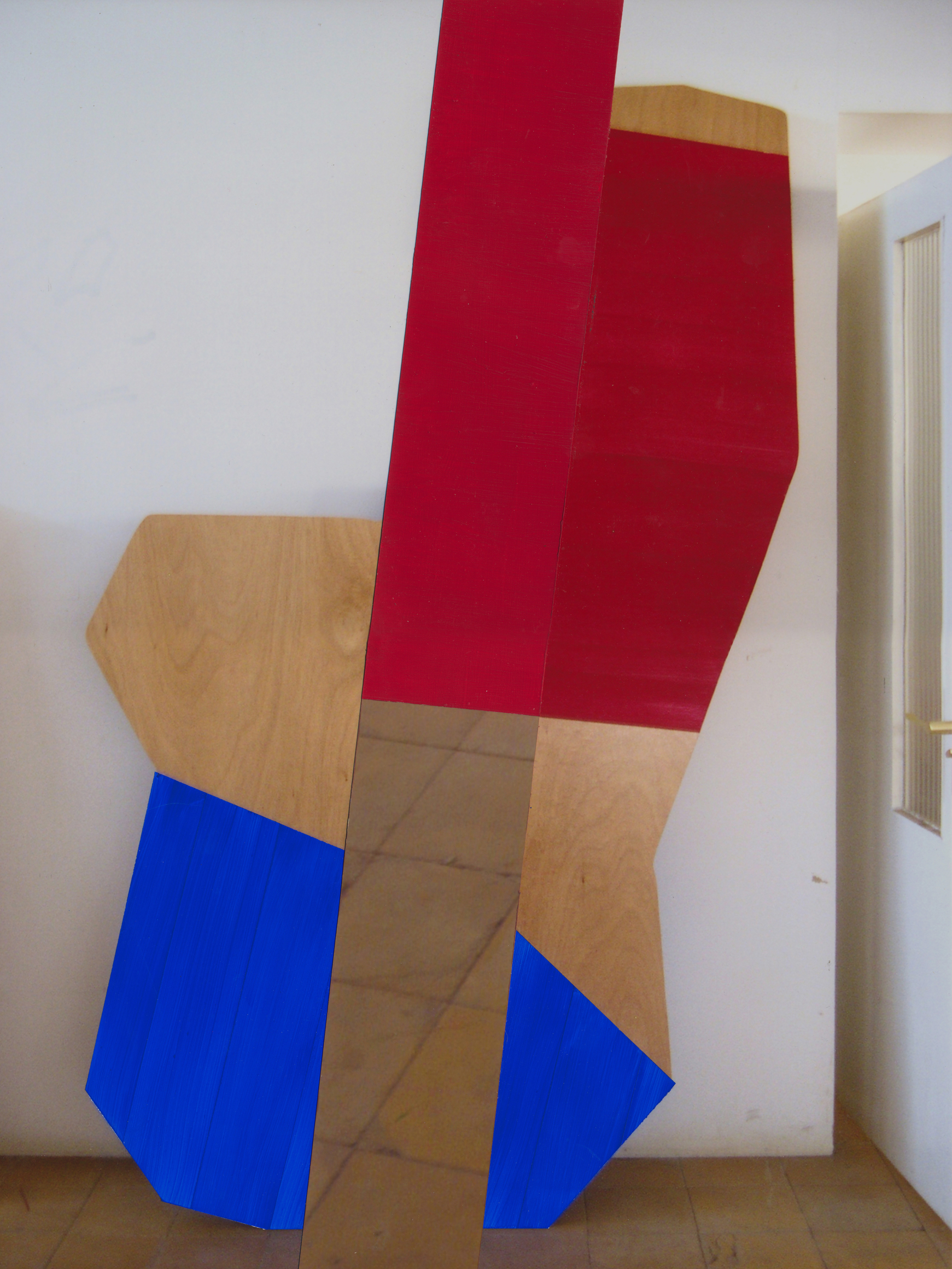
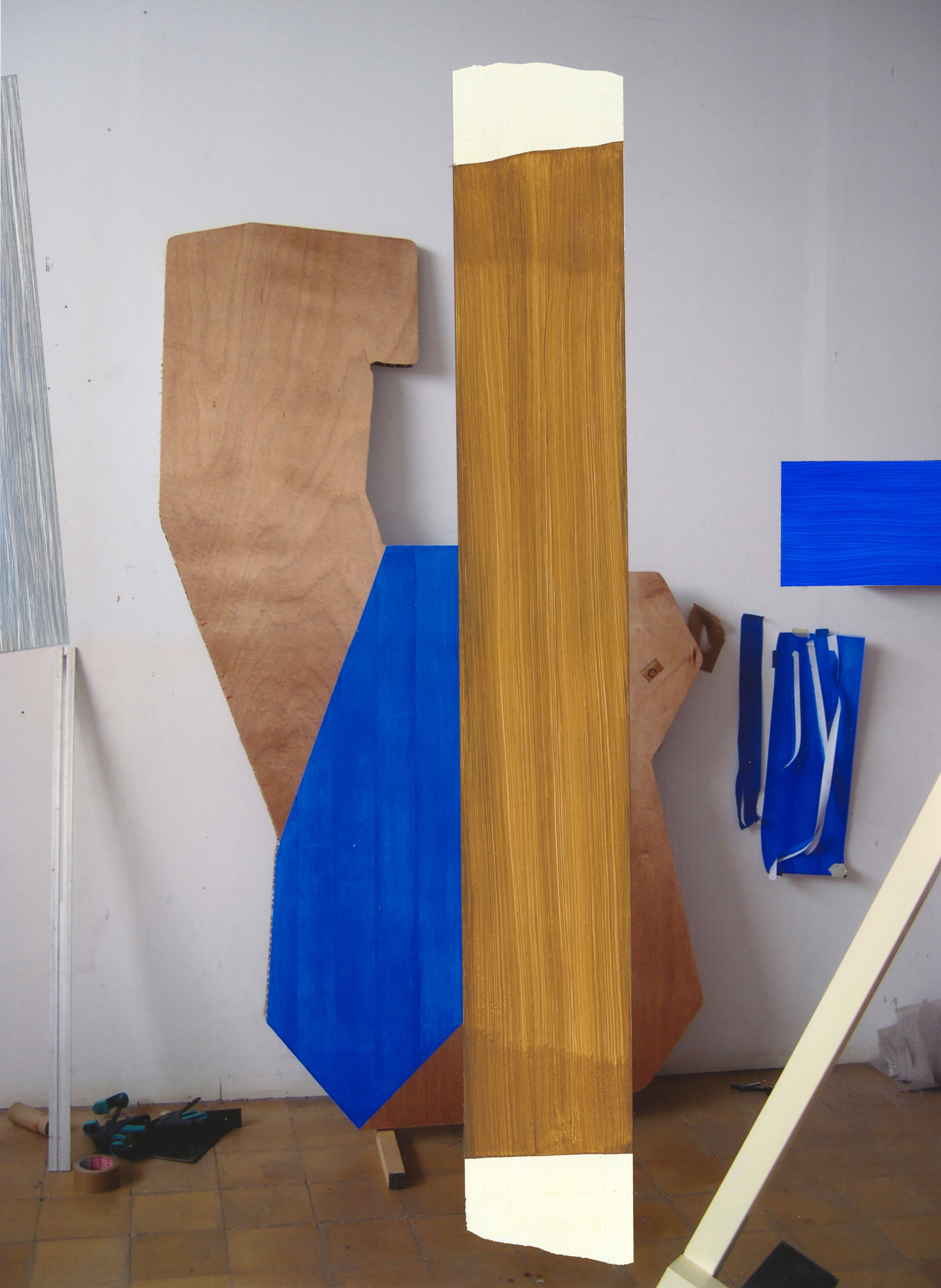
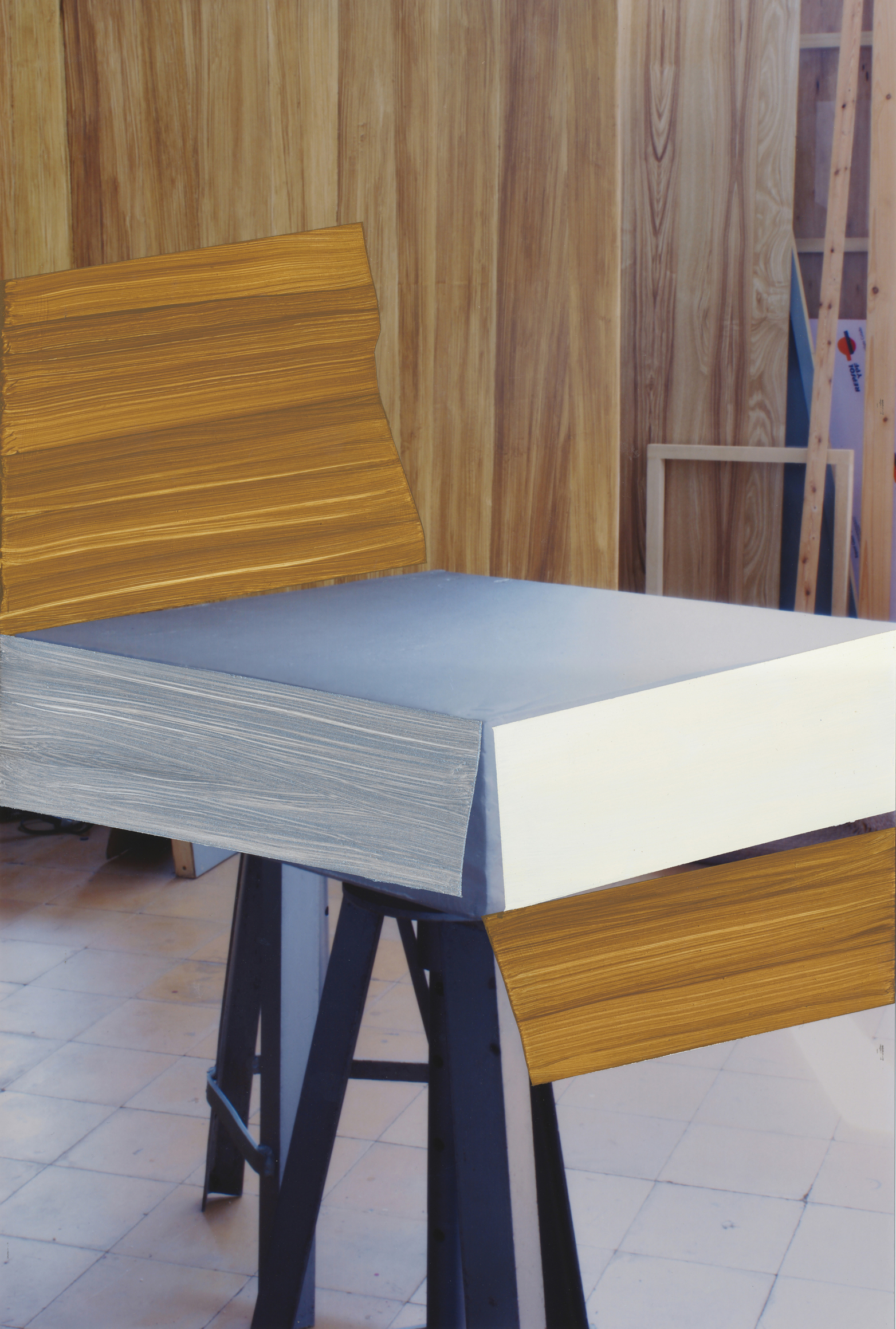
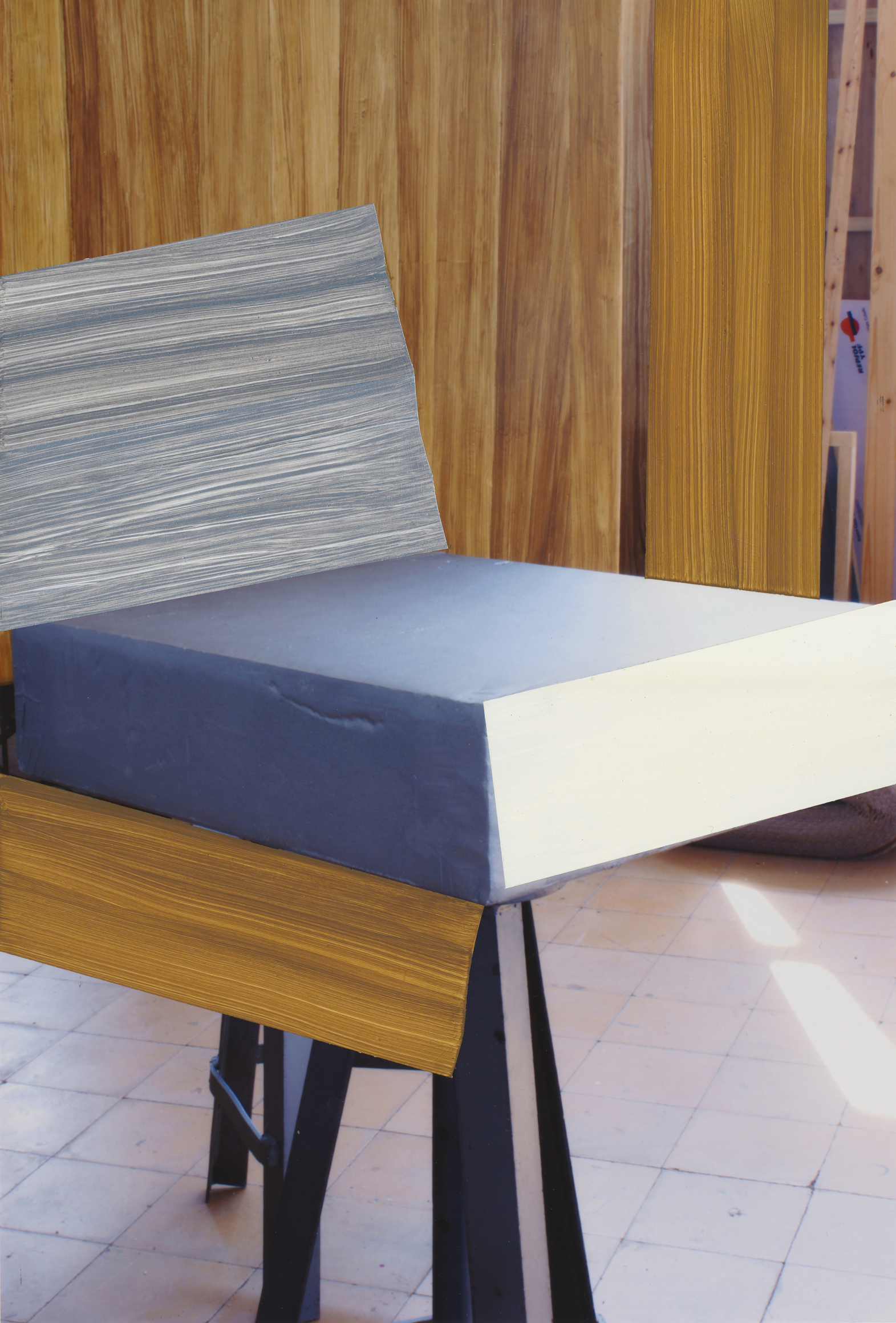
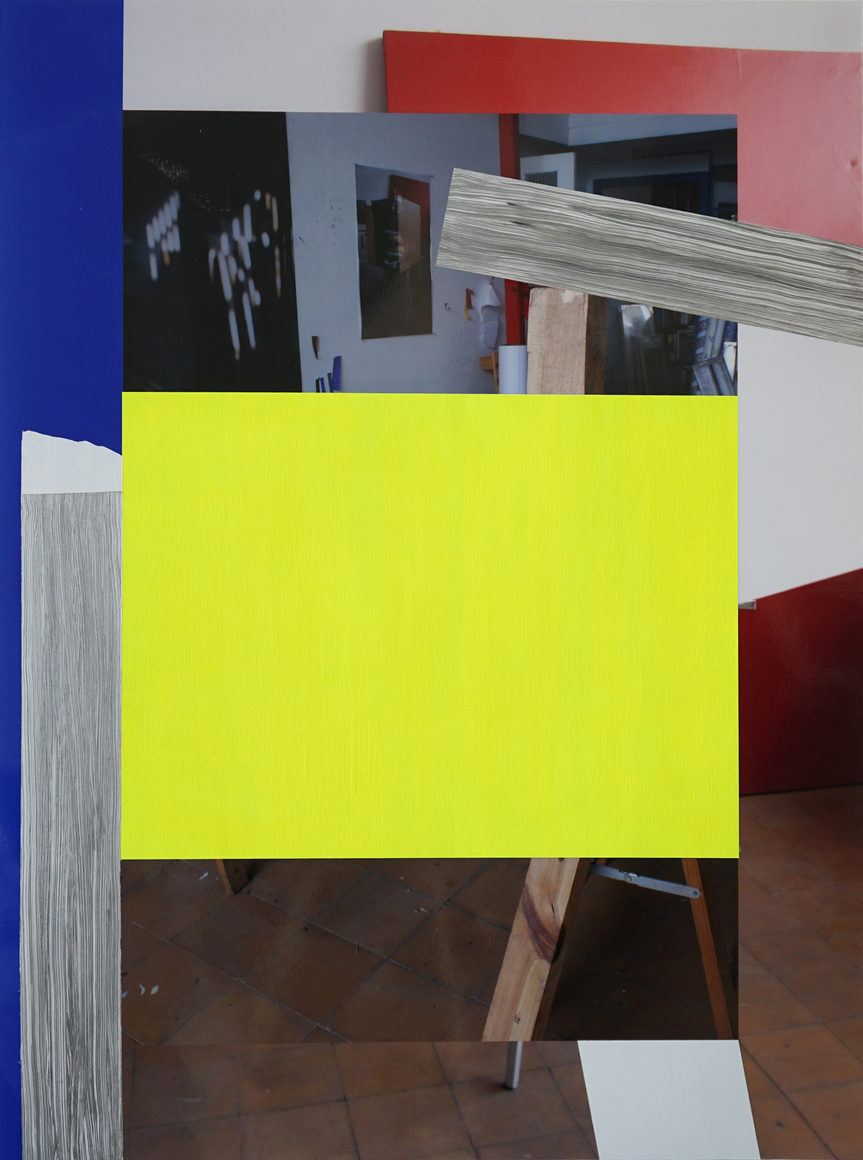
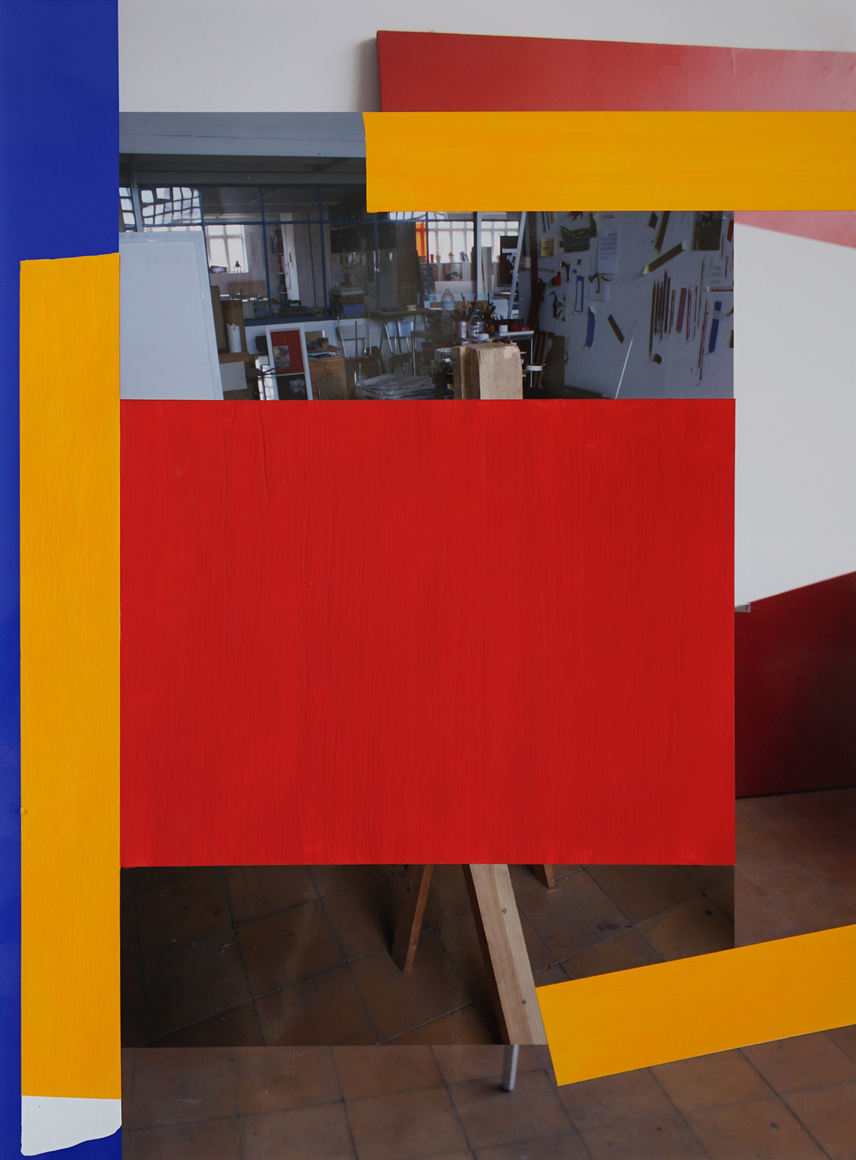
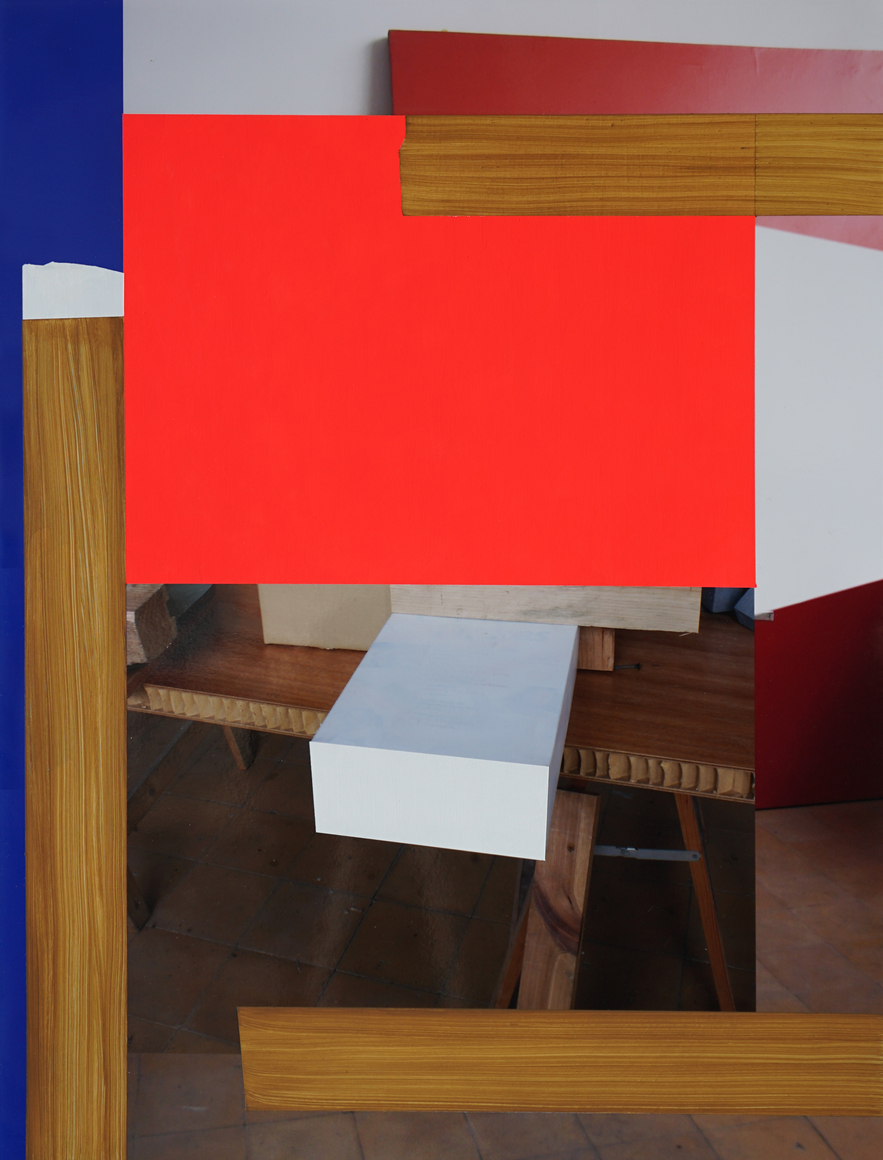
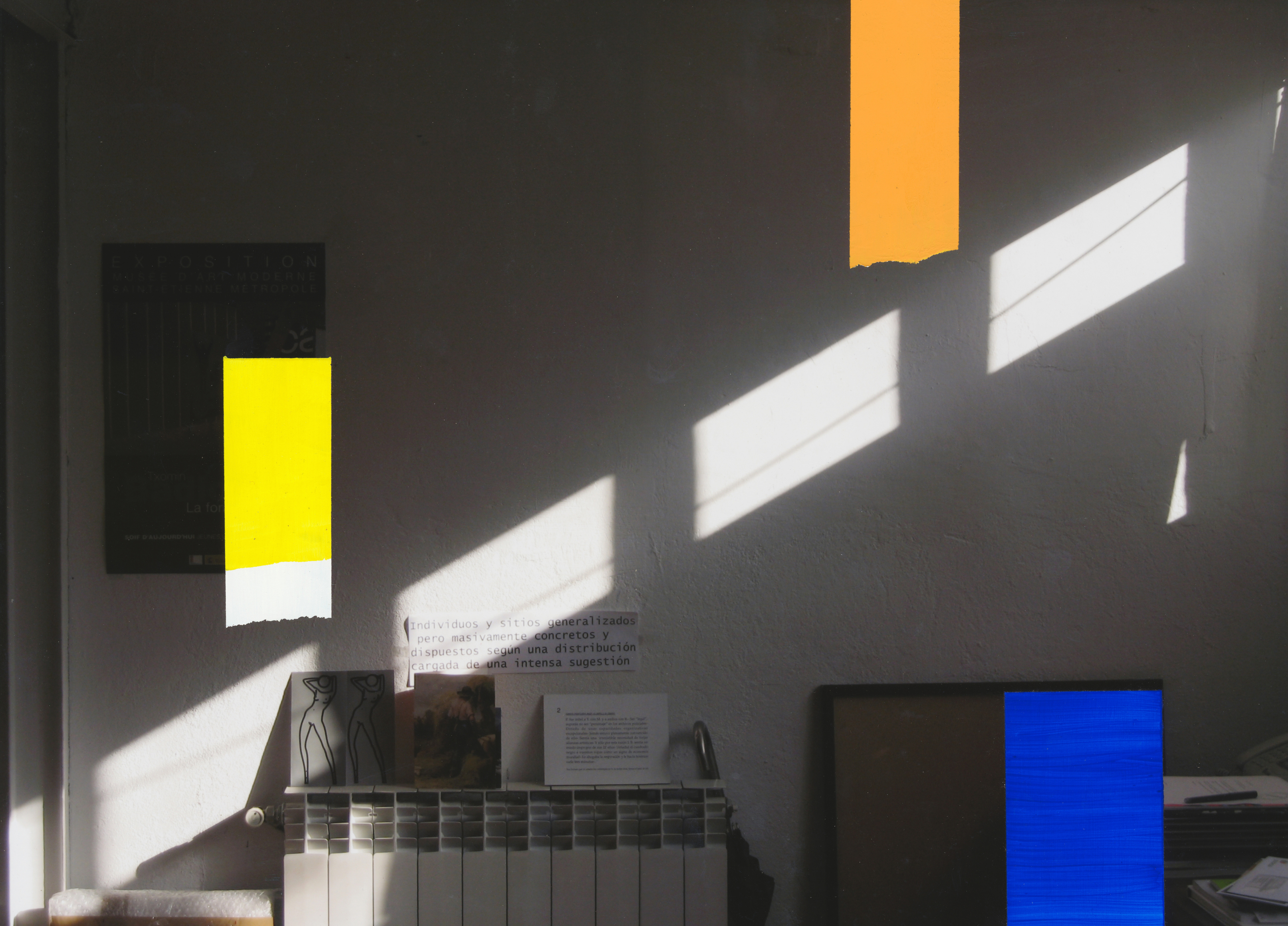
Irazu uses the studio space and the objects therein as the basis for his works, whether painted photographs or the spare wall sculptures that evoke planarity and a collision of angles and perspectives. The sculptures are built with studio items such as cardboard boxes and wood blocks that are typically cast, painted and then reassembled as sculptural objects. By making photographs of his sculptures in the studio space and then painting simple lines on the surface of the print, Irazu establishes a dialogue between surface and image, two dimensions and three dimensions, sculpture, photography and paint.
In Matter, Irazu questions whether an image is truly two-dimensional or if it can have mass and tactility that exists in the same space as the viewer. Whereas in earlier works Irazu’s painted photographs were adorned with mostly sparse, short and clipped strips of color, made to resemble tape or paper that had been affixed on top of the print, in the new works his disruption of the photograph with surface painting has been dramatically expanded. The images are constructed with a lattice of color and texture that alternately invokes woodgrain, metal and plastic, all intersecting and overlapping with one another. Hidden, obscured or buried beneath these areas of color are the studio scenes that Irazu photographed and which make up the underlying image. Though seemingly fractured beyond repair, what the compositions show is the way that images can take shape and reform, even under the most abstract of circumstances.
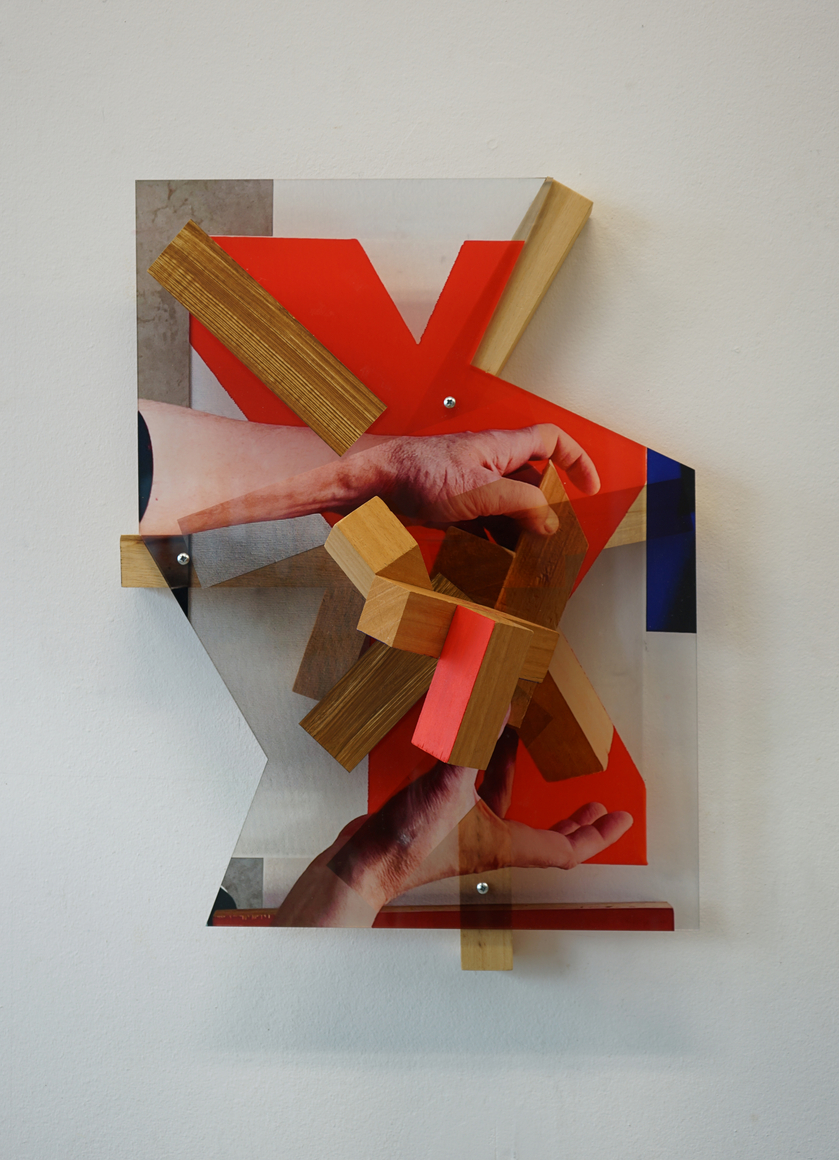
Accompanying the painted photographs are a new group of wall sculptures that further the process of disassembly by showing how form rises and falls based on point of view. The planar shapes that are layered, stacked and pressed together in these sculptures—painted in a way that mimics the same woodgrain, metal and plastic in the photographic images—disrupt the expectation of a flat surface that will function as a window to be looked through to where meaning will reside. Instead, Irazu redirects the gaze outward, back to the viewer and onto the shifting nature of the sculptures, showing them to be a composite of angles and textures that suggest the active development of a form rather than its final state. With their subtle architecture Irazu points to the capacity of each sculpture to function as a type of language unto itself, one with internal structure that still connects outward to the other works in the exhibition.
In an additional group of new works, Irazu combines photography and sculpture in a novel way to show the active process of creation. While building a sculpture in his studio Irazu photographed his hands during the act and then silkscreened those images onto acrylic before finally reassembling them into the sculptures in the exhibition. In these works, as in the entirety of Matter, Irazu both dramatizes and analyzes the mechanics of how his works are created, all while investigating the social construction of what is deemed real or virtual, actual or artificial.
Pello Irazu was born in 1963 in Andoain, Spain, and he lives and works in Bilbao. He graduated in sculpture from the Basque Country University in Bilbao in 1986. He won the ICARO Prize for most outstanding young Spanish artist in 1988, and a Fulbright Award in 1990.
Irazu’s work has been exhibited in many major institutions including the Guggenheim Museum, Bilbao; Moscow Museum of Modern Art; Joan Miro Foundation, Barcelona; Museum of Contemporary Photography, Chicago; and Bass Museum of Art, Florida. Public collections that feature his work include Guggenheim Museum, Bilbao; Museum of Contemporary Art Barcelona (MACBA); Museum of Contemporary Art, San Diego; La Caixa Foundation, Barcelona; Museum of Modern Art, Vienna; and Museum of Contemporary Photography, Chicago.